To get used to tank controls, steer from the character's point of view: up walks where they face, left and right turn on the spot.
Tank controls exist because old horror games used fixed cameras that cut between angles, and character-relative steering never flips when the view does. Try both schemes in a two-room toy, learn five habits that make the old way click, and see which re-releases let you switch it off.
To get used to tank controls, stop steering by the screen and steer from the character's point of view. Up always means "walk the way I'm facing", left and right turn on the spot, and down backs up. Picture driving a remote-control car toward yourself: once you think in the car's directions instead of the screen's, the camera cuts stop scrambling your hands.
If you've started an old Resident Evil, Silent Hill or one of the many modern indie horror games built the same way and felt like your character was fighting you, this is normal. Nothing is wrong with your reflexes. You're just using the wrong mental map, and the fix is a handful of habits.
Why old games steer like this
Tank controls come from games that showed each room through a fixed camera: a camera bolted to one spot, like a security camera, instead of one that follows behind you. Alone in the Dark (1992) drew detailed, pre-rendered backgrounds and put 3D characters on top, and those backgrounds only work from one angle, so the camera had to stay put and cut to a new angle as you walked between areas.
That creates a problem. If "right" on the stick meant "right on screen", every camera cut could flip which way right is, and you'd turn around without meaning to. Tank controls solve it by ignoring the camera completely: your inputs are always relative to the character. The name comes from how a tank drives: rotate the hull, then roll forward. Resident Evil (1996, PlayStation) made the scheme famous, and Resident Evil 3: Nemesis (1999) added a quick 180-degree turn to make escapes less clumsy.
Try both schemes on the same room
The toy below has two rooms with a fixed camera each. The second camera looks from the opposite side, so the picture flips when you walk through the door. Walk from the dashed start square to the gold marker with tank controls, then with camera-relative controls (the Camera button), and watch what the cut does to each.
In the toy, camera-relative controls feel natural right up to the door, then get awkward: you either keep walking the old way or bounce back into the first room. Tank controls feel slow in the first room and identical after the cut. That trade is the whole design.
What kind of hard this is
On this site we describe difficulty by its sources, not with one score. Tank controls add Execution difficulty, the kind that lives in your hands, but it's navigation, not reflexes. Nothing here asks you to react fast. It asks you to translate "I want to go there" into "turn, then walk", and that translation is a habit you can build. The games are designed around that pace: fixed angles decide what you can see, and threats are placed for a player who moves deliberately.
Five habits that make it click
1. Think like the character, not the screen
Before you press anything, ask "which way is the character facing?" not "which way is that on screen?". If the character faces the camera, left on the pad turns them toward screen right. It feels backwards for a few minutes, then it doesn't.
2. Turn on the spot, then walk
Beginners try to steer while walking and drift into walls. In tight corridors, stop, turn until you face the gap, then hold forward. Curving while moving is for open rooms once the basics feel normal.
3. Hold forward through camera cuts
The cut is the moment camera-based habits make you flinch. With tank controls, nothing changes for your hands, so keep holding forward and let the new angle settle. Only correct once you've seen where you are.
4. Use the quick turn to escape
A slow full turn with an enemy right behind you is an easy way to get grabbed. Resident Evil 3: Nemesis added a quick 180-degree turn and later games in this style often have one too; check the controls screen for it and practise it in a safe room until it's automatic.
5. Stop, look, then move
Fixed cameras hide parts of the room on purpose. When you enter a new angle, take a second to read it before committing. That pause isn't lost time; it's how these games expect to be played.
Or switch them off
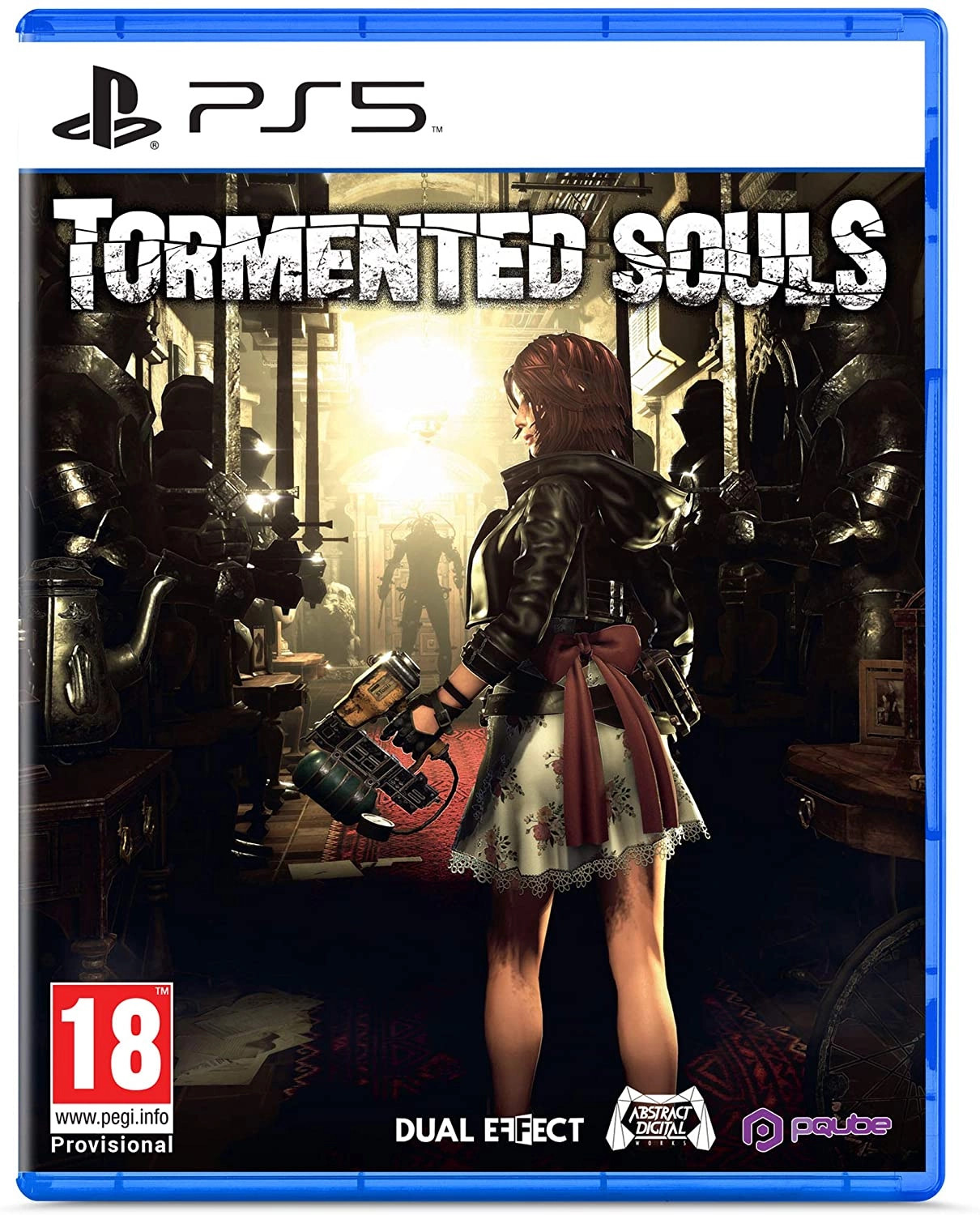
Many re-releases and modern games in the style let you choose. The Resident Evil HD Remaster (2015, on Switch since 2019) keeps the classic tank scheme and adds an alternate one where the character moves in the direction you push the stick. The catch is the one you felt in the toy: after a camera cut the character keeps going the old way until you let go, and reviewers noted it can cause back-and-forth flailing in rooms with lots of angles. The indie Tormented Souls (2021) does the same split on purpose: tank controls on the d-pad for the original feel, free movement on the left stick.
Who should learn tank controls: anyone who wants to play the old games as designed, or who keeps getting turned around by camera cuts. Who can skip them: players who mainly want the story and atmosphere and find the alternate scheme comfortable. Neither choice is the "real" way to play.
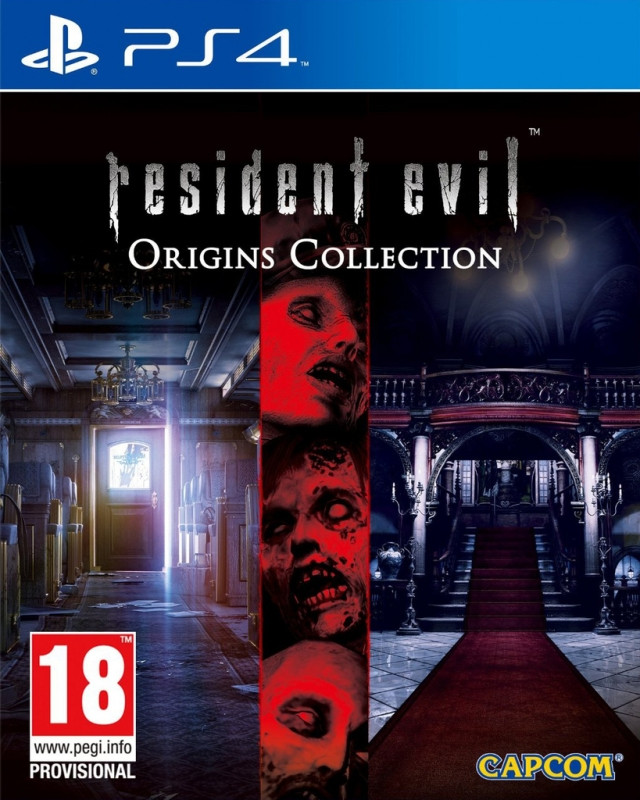
Pick one game and give tank controls a fair first hour before deciding. The Resident Evil Origins Collection is a good place for it, since it includes the HD Remaster, which also has the alternate scheme if tank controls still aren't for you after that hour. If old games also scare you off because of their save systems, read beating a hard retro level without save states, and for why horror games sometimes ease off after you die, see do games get easier when you keep dying?
Quick answers
Why are they called tank controls?
Because you steer like a tank: rotate in place, then drive forward or back, with every input relative to where the character faces.
Are tank controls harder?
They're slower to learn and slower in open spaces, but they never change when the camera cuts, which is exactly when camera-relative controls go wrong.
Can you turn them off in Resident Evil HD Remaster?
Yes, it has an alternate scheme where you push the stick in the direction you want to go, alongside the original tank controls.
Loadout · gear used
Affiliate links, marked sponsored. We may earn a commission at no extra cost to you. Examples that match this guide, not tested reviews. Prices checked 2 Nov; every shop and live prices are on each product page.
Contains the Resident Evil HD Remaster discussed above, with the classic tank scheme and the alternate stick scheme, so you can learn the old way and still switch if it never clicks.